Why a Worcester-based Web Agency Is Well Placed to Serve the West Midlands

Search “best web design agency in the West Midlands”, and you’ll mostly get pointed toward Birmingham. That’s understandable, it’s the region’s biggest city, and a lot of genuinely good agencies are based there. But being based in the region’s biggest city isn’t the same as being the best-placed agency to serve every business in it. Here’s why YOONY.N, based just down the road in Worcester, is a genuine option worth considering, not a compromise.

Five Takeaways

1. Being Birmingham-based isn’t the same as being best-placed.
The West Midlands’ biggest city has plenty of good agencies, but proximity to the city centre isn’t itself a measure of quality or fit for every business in the region.

2. Lower overheads in Worcester can mean more honest pricing. Birmingham city centre commercial rent is a real, fixed cost that has to be recovered somewhere, often through what clients pay.

3. Modern agency work happens remotely by default. Calls, shared documents, and project boards mean physical distance rarely limits how effectively an agency and client can actually work together.ility is heading.

4. Worcester businesses have already proven this model works in the West Midlands market. Location matters less than the strength and honesty of the work behind it.

5. Strategy should be judged on substance, not postcode. Honest pricing, tailored strategy, and genuine investment in AI-driven search matter more than where an agency’s office happens to sit.

The overhead question nobody asks

Birmingham city centre commercial rent is 200% higher per square foot than Worcester. That’s not a knock on Birmingham agencies; it’s simply a fixed cost that has to be recovered somewhere, and it’s usually recovered through what clients pay.

Being based in Worcester means our overheads are genuinely lower, and we pass that saving directly into more realistic pricing for our clients, rather than padding out margins that exist purely to cover a Birmingham postcode. If you’re weighing up agencies for a serious website or SEO project, it’s worth asking directly what proportion of your budget is going toward the work itself versus an agency’s overheads. It’s a fair question, and one we’re happy to answer honestly.

Distance isn’t a limitation, for either of us

Nearly all serious agency work happens remotely now: calls, shared documents, video reviews, project boards. Birmingham is a 40-minute drive from Worcester, close enough that face-to-face meetings, which we deliberately prioritise with every client, are entirely realistic whenever they’re useful, without either of us needing a Birmingham office to make that happen.

We’re not the only ones proving this works

We’re not the first Worcestershire-based agency to build a genuine reputation serving West Midlands businesses, and we won’t be the last. It’s a pattern worth noticing: location matters less than the strength and honesty of the work behind it.

What actually matters, wherever an agency is based

We’ve been doing this for 14 years, and that’s before you count the 35 years of marketing experience our founder, Scott Jenkins, brought with him when he built YOONY.N. In that time we’ve worked globally, including for household names like McDonald’s and Hilton Hotels, and in extreme circumstances we’ve delivered clients an ROI of 750%.

What that experience has taught us is simple: a great-looking website isn’t enough on its own. The user journey has to be properly considered against what the business is actually trying to achieve. These days, a website has to earn its keep, not just look good doing it. We’ve learned how to build sites that genuinely drive traffic, and that work goes even further when it’s coupled with proper SEO and AIO/AEO strategy alongside it.

What we can say plainly: we build strategy around both traditional SEO and the AI-driven search platforms (ChatGPT, Gemini, AI Overviews) that are already reshaping how West Midlands businesses get found. That’s not a Birmingham-specific advantage or a Worcester-specific one. It’s simply where we believe the work needs to be right now, regardless of postcode.

The honest pitch

If a Birmingham address matters to you specifically, that’s a fair thing to want, and we’re not going to pretend otherwise. But if what actually matters is honest pricing, genuine strategy tailored to your business, and a team that treats AI search as core work rather than an afterthought, we’d ask you to judge us on that, not on our postcode.


I agree to receive other communications from Yoony.n Ltd.

FAQs

Does an agency need to be based in Birmingham to serve West Midlands businesses well?

No. Modern agency work is largely remote by default, and a short distance like Worcester to Birmingham makes face-to-face meetings realistic whenever they’re genuinely useful.

Why might a Worcester-based agency offer more competitive pricing than a Birmingham one?

Birmingham city centre commercial rent is meaningfully higher than Worcester’s, and that overhead is often reflected in what clients ultimately pay for the same quality of work.

Is a Worcester agency less experienced with West Midlands businesses than a Birmingham one?

Not necessarily. Several Worcestershire-based agencies have built genuine, long-standing reputations serving West Midlands clients specifically.

What should a West Midlands business actually look for when choosing an agency?

Honest, tailored pricing; a strategy built around that specific business’s goals; and increasingly, genuine investment in AI-driven search, not just traditional SEO.

Does YOONY.N only work with Worcester-based clients?

No. YOONY.N works with businesses across the West Midlands region, with strategy built around each client’s needs rather than their postcode.

“I Don’t Want to Do Standard SEO”: Inside YOONY.N’s Ambition to Become Worcester’s Best

Worcester’s SEO market isn’t short of choice. A quick search throws up half a dozen well-reviewed local agencies, several with years of history and dozens of five-star reviews behind them. So why does a Foregate Street-based agency believe it can — and should; become the best of them? I sat down with YOONY.N’s founder to find out.

Five Takeaways

1. YOONY.N isn’t chasing awards or being the loudest agency in Worcester
It’s chasing being the reason clients succeed, quietly, and measured by whatever actually matters to that client, whether that’s rankings, revenue, or enquiries.

2. SEO has an honesty problem, and that’s exactly what YOONY.N is trying to fix. The industry’s reputation for vague retainers and lazy delivery is the direct motivation behind building a more tailored, accountable service.ers.

3. Standard SEO isn’t enough anymore. AI search – ChatGPT, Gemini, AI Overviews, Perplexity – is treated as one connected discipline with traditional SEO, not a bolt-on service, because that’s genuinely where visibility is heading.

4. Trust has to be earned, not assumed. With many local businesses burned by past providers, YOONY.N is upfront that credibility is built client by client, not claimed upfront.

5. The relationship is personal, not transactional. Face-to-face meetings — not video calls — are a deliberate choice, because trusting someone with your business’s visibility should mean actually knowing who you’re trusting.

Let’s start with the obvious question. Why does this matter to you personally?

Scott: Honestly, it comes from seeing how easy it is for businesses to get taken advantage of in this industry. SEO looks like a dark art to a lot of people; it’s technical, it’s slow, it’s hard to verify, and that makes it the perfect place for someone to charge good money and deliver very little. I’ve seen it happen to businesses that didn’t deserve it: people who work hard, who genuinely care about what they do, paying month after month for something they can’t see or measure, with no real way of knowing if it’s working.

That’s what actually drives this for me. I don’t want to be another agency running the same generic package on every client and calling it strategy. I want businesses in this city to have somewhere they can come and get something honest — a service that’s actually built around them, their customers, their goals, not a box-ticking exercise designed to keep a retainer running. If a local business trusts us with their SEO, I want that trust to be earned every single month, not assumed.

So when I say I want YOONY.N to be the best in Worcester, that’s really what I mean by it. Not the biggest or the loudest, just the one that businesses can actually trust to look after them properly, in a part of the industry where that’s rarer than it should be.

There are already several well-established, well-reviewed SEO agencies in Worcester. What makes you think YOONY.N can compete with that?

Scott: I don’t think “competing on the same terms” is the right ambition. Most SEO in Worcester, or most SEO anywhere, for that matter, if I’m honest, is still built around a playbook that’s ten years old: keywords, backlinks, technical fixes, repeat. That work still matters, but it’s no longer the whole picture, and most agencies haven’t caught up to that yet.

We build search strategy around where search is actually heading, not where it’s been. That means treating traditional Google rankings and AI-driven search; ChatGPT, AI Overviews, Perplexity, as one connected discipline, not two separate services bolted together.

That’s a big claim. What does “going beyond standard SEO” actually look like in practice?

Scott: Standard SEO optimises for one thing: can Google’s crawler find this page and rank it. That’s necessary, but it’s not sufficient anymore. Increasingly, the question our clients actually care about is: when someone asks an AI assistant a question relevant to their business, do they get mentioned at all?

Those are genuinely different problems. Ranking in a list of ten blue links rewards different signals than being cited in a single, synthesised AI answer: things like whether your content has real, specific, quotable substance, whether it’s structured to directly answer a question rather than talk around it, and whether the wider business, not just the website, reads as trustworthy and current. We build for both from day one, which is AIO and AEO alongside conventional SEO, not as an upsell afterwards.

You’ve worked across some very different clients, from local independents to specialist projects like Bladeroom and Comlux Aviation. How does that range shape your approach?

Scott: It keeps us honest, if nothing else. A private aviation client and a Worcester high street business are searched for in completely different ways, by completely different people, with completely different levels of trust already built in. You can’t apply one template to both and expect it to work.

What that range has taught us is that good SEO strategy starts with genuinely understanding who’s searching and why, not with a generic checklist. That’s the same discipline whether we’re working on a global, technical audience or a customer three streets away from our own office.

What would “being the best SEO agency in Worcester” actually mean to you? Is that about rankings, reviews, revenue? What’s the measure?

Scott: Not awards; every man and his dog is “award-winning” these days. It doesn’t mean much anymore. I don’t need YOONY.N’s name up in lights. I just want to be the reason our clients succeed, and for them to know it. Not us shouting about it but them saying it. “We succeeded because YOONY.N stepped in.”

I’ll be honest, I wish something like Google reviews wasn’t part of how people judge an agency at all, but they are, and when they’re genuine, they do help, so I’m not going to pretend otherwise. But that’s not really how I measure success. The real measure is whatever the client needed us for. For one business that might be rankings, for another it’s revenue, for another it’s simply the phone ringing more. “Best” to me just means: we hit what mattered to them. Everything else is noise really.

Where is YOONY.N right now on that journey, and what’s still missing?

Scott: Right in the middle of a genuinely big shift. AI search is starting to overtake traditional search, and I don’t think Google will stay the way it is for much longer. Gemini, ChatGPT, Perplexity- whatever comes next- that’s increasingly how businesses are going to be found. Most people haven’t caught up to that yet, so a big part of what I’m doing right now is simply educating and helping business owners understand that the game is changing before they’re caught out by it.

What’s missing is trust, and I won’t pretend otherwise. There are a lot of businesses out there who’ve been burned by lazy SEO providers, people who took a retainer and did the bare minimum, or worse, did nothing at all. That’s left a real scar on how this whole industry gets seen, and I understand it. So there’s a mountain to climb before someone trusts a name like ours with something as important as their visibility. I’d rather be honest about that than pretend we’ve already arrived, we’re earning it, client by client, not assuming it.

Last question. A Worcester business owner reading this, weighing up local agencies – what would you actually want them to take away?

Scott: What I’d actually want them to take away is a proper understanding of what we do differently, not just take my word for it, go and read our SEO and AEO service pages, see what that actually covers, because it’s a genuinely different approach to the standard package most agencies are still selling.

And then, honestly, I’d want to sit down with them. Face to face, not a video call, I know that’s a bit old school, but I mean it. I want them to see me, see how I talk about this, see that it’s not a script. If someone’s trusting us with something as important as how their business gets found, I think they deserve to look someone in the eye and know exactly who they’re trusting it to.


I agree to receive other communications from Yoony.n Ltd.

FAQs

Is YOONY.N only an SEO agency, or does it do more than that?

YOONY.N is a Worcester-based agency covering SEO, AEO (AI search optimisation), web design, and branding — built as one connected strategy rather than separate, siloed services.

What makes YOONY.N’s approach to SEO different from other Worcester agencies?

YOONY.N builds strategy around both traditional Google rankings and AI-driven search from day one, rather than treating AI visibility as an afterthought or upsell.

Does YOONY.N offer video consultations?

No – YOONY.N deliberately prioritises face-to-face meetings with clients, valuing the trust and transparency of an in-person relationship over remote calls.

How does YOONY.N measure success with a client?

Success is measured against each client’s actual objectives, whether that’s search rankings, revenue growth, or a measurable increase in enquiries, rather than a generic, one-size-fits-all metric.

Why should a Worcester business trust YOONY.N over an established competitor?

YOONY.N encourages business owners not to take that on faith, the invitation is to review the SEO and AEO service pages directly and then meet in person, so trust is built on evidence and a real conversation rather than marketing claims.

You’ve Earned the Authority. The Problem Is Nobody Can Find It.

By Scott Jenkins, Managing Director, YOONY.N

Most serious construction, healthcare and built-environment businesses don’t have a marketing problem. They have a translation problem.

I see it consistently. The expertise is real. The project evidence is substantial. The sector credibility has been earned over years of technically demanding, commercially significant work. But online, the business looks broadly the same as everyone else — a list of services, a grid of projects, a company history, a contact form.

The authority that exists in the real world hasn’t been translated into a digital position that reflects it.

That’s the problem I solve. And it’s not the same as SEO.

What most agencies actually do

Most agencies approach this backwards.

They start with generic search terms, assess traffic volumes, produce content designed to capture clicks, and report on rankings that often don’t connect to meaningful commercial outcomes.

The result is a business that might rank for “construction company UK” but still isn’t found by the NHS estates director researching modular clinical capacity, the care-home developer evaluating specialist contractors, or the data-centre investor looking for a credible critical-infrastructure partner.

Generic visibility and genuine sector authority are not the same thing. And for commercially serious businesses, only one of them matters.

What I do instead

I start with the real-world position a business has already earned.

What does it genuinely know that others don’t? What project evidence exists that establishes real credibility? Where does it have deeper experience than it’s currently communicating? What questions are its ideal clients asking during research and procurement, and who is currently defining the answers?

That diagnosis shapes everything that follows: the website structure, the content approach, the search terms we target, and the way expertise gets organised and presented online.

The objective isn’t to rank for more generic terms. It’s to make the business the most credible, most visible, most authoritative presence its target clients encounter during the research and procurement process.

That’s a materially different goal. And it requires a materially different approach.

The BladeRoom result

The clearest example I can point to is BladeRoom, a global modular data-centre specialist.

Before we worked together, BladeRoom was already one of the most technically credible companies in its sector. The real-world authority was substantial. But digitally, it generated almost no meaningful inbound enquiries, and its online position didn’t reflect the strength of its actual market position.

I rebuilt the website and digital structure around BladeRoom’s priority sectors, its technical expertise, the commercial questions its clients were actually asking, and the authority it could credibly own.

The outcome: approximately 95% of priority search terms reached number-one positions shortly after launch. Most remaining priority terms ranked within the top four. A consistent flow of substantial UK and international enquiries followed, including from clients and markets that previously couldn’t find the business at all.

Customer reference is available as a reference for any business that wants to understand what the process involved and what the commercial impact was.

Why this matters specifically for built-environment businesses

Construction, healthcare, care, modular, data-centre and wider built-environment businesses tend to have a particular version of this problem, and it’s one I’ve come to understand well.

The work is technically complex. Procurement journeys are long. Decision-makers do substantial research before making contact. The companies that earn the most commercially valuable inbound interest are typically the ones that show up credibly and authoritatively during that early research phase, not at the point where someone is ready to issue an RFP and already has a shortlist.

Most of these businesses are not showing up at that earlier stage. Not because the authority doesn’t exist, but because it hasn’t been structured, organised and made visible in a way that connects with the questions procurement and decision teams are actually asking.

The businesses that get this right don’t just rank higher. They influence the conversation earlier, define the terms of the procurement, and become the reference point other contractors are measured against.

This is not about AI Overviews, AEO or GEO

There’s a tendency in digital marketing right now to chase whatever acronym is newest: AIO, AEO, GEO, SGE, whatever follows next.

I pay close attention to how search and AI discovery are evolving, because it directly affects the work I do. But the fundamental question doesn’t change: is your business the most credible, most authoritative, most commercially useful presence your target clients encounter when they’re researching their decision?

Genuine authority, built on real expertise, real project evidence and real sector depth, transfers across every format. It works in search results, in AI-generated overviews, in procurement research, and in the conversations that happen long before a formal process begins.

Manufactured content and generic SEO don’t transfer. They are increasingly easy to see through, and increasingly filtered out by the systems making decisions about what to surface.

The businesses I work with

I work with commercially serious companies that already have something worth translating, genuine sector expertise, a differentiated delivery model, substantial project evidence, or a market position that hasn’t yet been fully claimed online.

If your business has earned authority in its sector but your digital presence doesn’t reflect that, the gap between your real-world position and your online position is costing you commercially.

I begin with a Digital Authority and Sector Positioning Review: a focused, strategic assessment of how effectively your real-world expertise, sector ambition and commercial value are represented, understood and discovered online. It’s not an SEO audit, a website report or a generic marketing review. It’s a diagnostic of the gap between where you are and where your digital position should be, and a clear map of how to close it.


Five Takeaways

1. Most serious businesses don’t have a marketing problem, they have a translation problem.
The expertise, the project evidence and the sector credibility already exist. What’s missing is a digital position that reflects them. Generic marketing doesn’t solve that. Translation does.

2. Generic visibility and genuine sector authority are not the same thing.
Ranking for broad terms generates traffic. Owning the specific search and research conversations your ideal clients are having during procurement generates enquiries. For commercially serious businesses, only one of those outcomes matters.

3. The businesses that win procurement conversations aren’t always the best. They’re the most visible during the research phase.
Long procurement journeys mean decisions are being shaped long before a formal process begins. If your business isn’t showing up credibly at that earlier stage, you’re not on the shortlist before the shortlist is made.

4. Real authority transfers. Manufactured content doesn’t.
Genuine sector expertise, organised, structured and made visible, works across search results, AI overviews and procurement research. Content built to chase generic traffic is increasingly easy to see through and increasingly filtered out.

5. The gap between your real-world position and your online position is a commercial problem, not a marketing one.
If your business has earned authority that your digital presence doesn’t reflect, that gap is costing you in enquiries, in early-stage influence and in how seriously procurement teams take you before they’ve made contact. That’s worth fixing.


We’ll tell you straight, even if the answer is “you don’t need us yet.”


I agree to receive other communications from Yoony.n Ltd.

FAQs

What’s the difference between what you do and standard SEO?
Standard SEO typically starts with search volume and works backwards, targeting generic terms that may generate traffic but rarely connect to the commercially specific clients a built-environment business actually wants. I start with the real-world authority a business has already earned and build a digital position that reflects it, targeting the specific questions, research stages and procurement conversations that matter to their ideal clients.

What is a Digital Authority and Sector Positioning Review?
It’s a focused strategic assessment of how effectively a business’s real-world expertise, sector credibility and commercial value are being represented, understood and discovered online. It’s not an SEO audit, website report or generic marketing review. It identifies the gap between where a business is and where its digital position should be, and maps the practical steps to close it.

Do you only work with construction and healthcare businesses?
My current focus is on commercially serious built-environment businesses, including construction, healthcare, care, modular, data-centre and wider development and infrastructure companies. These sectors share a common challenge: technically complex work, long procurement journeys, and real-world authority that typically isn’t being translated into online visibility effectively.

What results can you point to?
The strongest measurable example is BladeRoom, a global modular data-centre specialist. After rebuilding their website and digital structure around their genuine sector authority, approximately 95% of their priority search terms reached number-one positions shortly after launch, with most remaining terms ranking in the top four. A consistent flow of substantial UK and international enquiries followed. BladeRoom’s Head of Sales and Marketing, Edward Dusting, is available as a direct reference.

Does this approach still work with AI search and AI Overviews becoming more common?
Yes — in fact it becomes more important. AI systems increasingly surface the most authoritative, most credible, most genuinely useful sources when generating responses to complex commercial queries. Manufactured content and generic SEO are increasingly filtered out. Genuine sector authority, built on real expertise and real evidence, transfers across search, AI discovery and procurement research in a way that thin or generic content simply doesn’t.


DIY SEO vs Hiring an Agency: What Actually Changes

This isn’t a “you must hire an agency” post. Plenty of small businesses do their own SEO perfectly well, especially early on. The honest answer is that it depends on your time, your competition, and how much the result actually matters to your revenue. Here’s how to think it through properly.

What DIY SEO genuinely covers well

If you’re willing to put the time in, a business owner can realistically handle:

  • Basic on-page setup — page titles, meta descriptions, heading structure, image alt text. None of this requires deep expertise, just consistency and a checklist.
  • Google Business Profile — claiming it, keeping it accurate, posting updates, responding to reviews. This is one of the highest-impact, lowest-skill local SEO activities there is, and there’s no good reason to outsource it.
  • Basic content writing — blog posts answering real questions your customers ask. You know your industry better than any agency writer will on day one.
  • Internal linking — making sure your own pages link sensibly to each other. Time-consuming but not technically hard.

A motivated owner with a few hours a week can do real, measurable good here, particularly in the first 6–12 months of a site’s life.

Where DIY SEO tends to genuinely struggle

Technical diagnosis. Working out why pages aren’t indexing, why Core Web Vitals scores are poor, or why a site architecture is confusing search engines requires pattern recognition built from seeing many sites, not just your own one. This is the area where DIY attempts most often go wrong without the owner realising it.

Competitive keyword strategy. Knowing which search terms are realistically winnable for a new or small site versus which ones are dominated by national brands takes research most owners don’t have time for, and getting it wrong means months spent writing content that was never going to rank.

Link building. Genuinely earning backlinks (rather than buying low-quality ones, which can actively harm a site) takes outreach time and relationships most business owners don’t have bandwidth for alongside actually running the business.

Keeping up with algorithm changes. Search engines change how they evaluate sites regularly. An agency working across many sites notices these shifts faster than an owner managing just their own.

Time, ultimately. This is the real cost. SEO that works takes consistent effort over months, not a weekend project. The question isn’t really “can I do this myself,” it’s “will I actually keep doing this every week for the next year.”

A reasonable way to decide

Ask yourself three honest questions:

1. Do I have 3-5 hours a week, every week, for the next 6+ months? If genuinely not, DIY SEO tends to start well and quietly stop, which is often worse than doing nothing, because half-finished optimisation work can leave a site in a confusing state.

2. Is my market competitive? If you’re the only specialist plumber in a small town, decent DIY basics might be enough. If you’re competing nationally in a crowded category, the gap between basic and expert execution matters much more.

3. What’s a new customer actually worth to me? If one new client is worth a few hundred pounds and you only need a handful a month, the maths on paying an agency a few hundred pounds a month look different than if one client is worth tens of thousands.

A middle ground worth knowing about

It doesn’t have to be all-or-nothing. A common, sensible approach: pay for a one-off technical audit and strategy from someone experienced, then handle the day-to-day content and Google Business Profile work yourself, with occasional check-ins. This gets you the expert diagnosis without an ongoing retainer, if budget is the main concern.

What we’d say honestly

If your site has a real technical or structural problem, no amount of DIY content writing will fix it; the foundation needs sorting first. But if your foundations are solid and you’ve got the time, there’s nothing wrong with doing your own SEO for as long as that works for you. The honest answer to “should I DIY or hire someone” is usually “get an honest audit first, then decide” — which tells you what’s actually broken before you commit either way.

We’ll tell you straight, even if the answer is “you don’t need us yet.”


I agree to receive other communications from Yoony.n Ltd.

FAQs

Can I do my own SEO without hiring an agency?
Yes, particularly the basics, Google Business Profile management, on-page titles and headings, and content writing, provided you can commit consistent time, ideally a few hours a week, over several months.

When should I hire an SEO agency instead of doing it myself?
When you have a technical or structural problem you can’t diagnose yourself, face strong competition in your market, or don’t have consistent time to commit to it weekly.

Is DIY SEO actually free?
Not really. It costs your time instead of money, which is worth valuing honestly against what your time is worth and what a new customer is worth to your business.

“Crawled – Currently Not Indexed”: What It Means and How to Actually Fix It

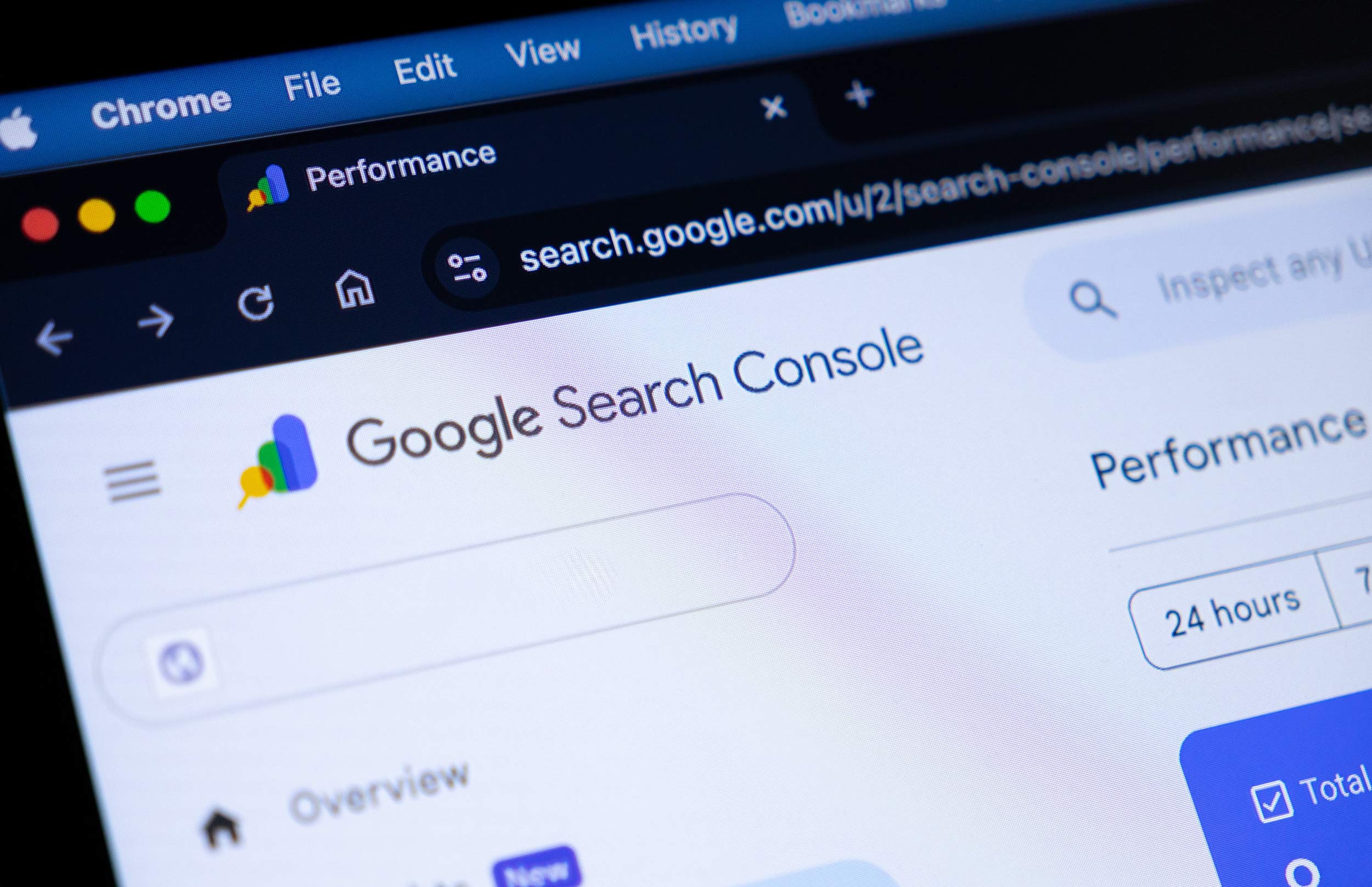
If you’ve opened Google Search Console and found pages sitting under “Crawled – currently not indexed,” you’ve probably also found that Google’s own explanation of it is fairly vague. Here’s what it actually means, what causes it, and how to fix it, based on real audits rather than guesswork.

What this status actually means

It means Google’s crawler has visited the page, read it, and decided — at least for now — not to add it to the index. This is different from a technical block (like a robots.txt rule or a noindex tag stopping Google from crawling at all). Google looked at the page and made a quality judgment: not good enough, not different enough, or not important enough to include.

That distinction matters because the fix is different. A technical block is solved with a settings change. A quality judgement is solved by making the page genuinely better, or removing/consolidating it if it doesn’t deserve to exist as a separate page.

The most common real causes, ranked by how often we actually see them

1. Thin or near-duplicate content. This is by far the most common cause. A classic pattern is location-based service pages — “[Service] in [Town A],” “[Service] in [Town B]” — built from the same template with only the town name changed. Google can spot this pattern easily, and once it sees enough of it on a domain, it tends to stop bothering to index any of them, and can become more sceptical of the rest of the site too.

2. No internal links pointing to the page. If nothing else on your site links to a page, Google reasonably concludes that even you don’t think it’s important. Orphaned pages (no internal links in) are one of the easiest things to check and fix — most SEO plugins (Yoast, RankMath) will flag orphaned content directly in their reports.

3. The page doesn’t deliver on its title. If a page is titled “SEO Services in Coventry” but the actual content is three generic paragraphs that could apply to literally any town, Google treats the mismatch as a quality signal, not relevance.

4. Low perceived value relative to what’s already indexed. If ten other local agencies have near-identical pages targeting the same search term, Google has limited incentive to add an eleventh nearly-identical one.

5. Tracking parameters creating accidental duplicate URLs. Less about indexing per se, but worth checking: URLs with ?gclid=... or similar ad-tracking parameters can show up as separate “pages” in Search Console reports if canonical tags aren’t set correctly, even though they’re really just your normal page with a tracking string attached. Usually, a non-issue if your SEO plugin sets canonicals automatically, but worth verifying.

How to actually fix it, page by page

Step 1: Pull the list. In Search Console, go to the “Crawled – currently not indexed” report and export the URLs.

Step 2: Check whether the page still exists. Some flagged URLs are often just stale data for pages that were deleted or redirected a while ago — Google can take time to fully drop them from the report. A bulk URL checker (several free tools exist) against the live site will quickly separate “still live” from “already gone, ignore it.”

Step 3: For pages that are still live, ask honestly — is this genuinely different from similar content elsewhere on the site, or is the difference cosmetic? If it’s cosmetic (a town name swapped, a service name swapped, otherwise the same), it’s a candidate for consolidation, not rewriting.

Step 4: Consolidate the weak ones. Rather than maintaining ten thin location pages, build one genuinely strong page covering the wider area, with real specifics, and 301 redirect the old thin URLs into it. This keeps any link value those old pages had while removing the duplicate-content problem.

Step 5: Rewrite and strengthen the ones worth keeping. Add genuine specifics, real examples, and proper internal links pointing to it from relevant content elsewhere on the site.

Step 6: Don’t mass-resubmit. It’s tempting to hit “Request Indexing” on every flagged URL at once. Don’t, especially on unchanged pages. Google already evaluated them once and passed; resubmitting without improving the content usually gets the same result, and doing it in bulk can make your resubmission signals less useful over time. Improve first, then request indexing on individual pages once they’re genuinely better.

The bigger picture

A handful of “Crawled – not indexed” pages is normal and not worth panicking over. A large percentage of your total content sitting in that bucket, particularly if it follows a templated pattern, is usually a sign of a structural content problem, not a list of individual pages to fix one by one. Tackling the pattern (why does this keep happening) tends to matter more than fixing each symptom.

Check out our SEO and AIO services and let us handle your online presence for you.

If you want a proper look at what’s actually happening with your own site’s indexing, get in touch – we’re happy to walk through it with you.


I agree to receive other communications from Yoony.n Ltd.

FAQs

What does “Crawled – currently not indexed” mean in Search Console?
It means Google’s crawler has visited the page but chosen not to add it to its index, usually for quality reasons rather than a technical block.

How do I fix a page that’s crawled but not indexed?
Improve the content’s uniqueness and depth, add internal links pointing to it from relevant pages on your site, and avoid mass-resubmitting unchanged pages for indexing.

Is “Crawled – not indexed” the same as being blocked from Google?
No. A block, such as a robots.txt rule or noindex tag, prevents crawling entirely. “Crawled – not indexed” means Google did crawl the page and made a quality judgment not to include it.

How Much Does a Website Actually Cost in the UK in 2026?

Most agencies dodge this question, or bury it behind a “get a quote” form. That’s understandable — costs genuinely vary a lot — but it’s also unhelpful if you’re trying to budget. Here’s a straight answer, with the caveats that actually matter.

The short version

For a small UK business, a properly built website typically falls into one of three brackets:

  • £800–£2,500 — a template-based or DIY-platform build (Wix, Squarespace, basic WordPress theme), suitable for a simple brochure site with a handful of pages.
  • £2,500–£8,000 — a custom-designed small business website, built specifically around your business rather than a generic template, with proper on-page SEO foundations, usually 5–15 pages.
  • £8,000+ — a larger or more complex build: e-commerce, bespoke functionality, multi-location businesses, or anything needing custom integrations (booking systems, CRMs, member areas).

These are UK small-agency ranges, not global or enterprise pricing, and not DIY platform self-builds where you do all the work yourself for the platform’s monthly fee alone.

What actually moves the price within those ranges

Number of pages and content complexity. A five-page site and a twenty-page site with multiple service areas are different jobs, even on the same platform.

Custom design versus template. A template is cheaper because the structural work is already done. Custom design costs more because every layout decision is made from scratch for your brand specifically — but it’s also why two businesses with templated sites in the same industry can end up looking near-identical.

Whether SEO foundations are included. This is the bit that often gets missed in cheaper quotes. A site built without proper technical SEO from the start (correct heading structure, clean URLs, indexable pages, decent page speed) often needs that work redone later anyway, which costs more in total than doing it properly the first time.

E-commerce or custom functionality. Online payments, bookings, stock management, CRM integration, or membership areas all add real development time, not just design time.

Copywriting and photography. If you need someone to write the content or take proper photos, rather than supplying your own, that’s a genuine extra cost most quotes separate out, and it’s worth asking specifically whether it’s included.

Ongoing costs after launch. Hosting (typically £10–£50/month), domain renewal (£10–£20/year), and any ongoing SEO or maintenance support (highly variable, often £150–£600+/month if you want active ongoing work rather than just upkeep) are separate from the build cost, and worth budgeting for, not just the headline build price.

Red flags worth knowing about

Extremely cheap quotes (under a few hundred pounds) usually mean a generic template with no real customisation, and often little to no SEO consideration, which can mean paying again later to fix it.

Vague “from £X” pricing with no detail on what’s included makes it hard to compare quotes fairly. Ask specifically what’s covered: number of pages, who writes the content, whether SEO setup is included, what happens after launch.

Ongoing SEO retainers with no clear deliverables. A good SEO arrangement should be able to tell you roughly what work is being done each month, not just “we’re working on it.”

What we’d suggest asking any agency, including us

  • What’s included in the quoted price, specifically — pages, content, photography, SEO setup?
  • What happens after launch — is there a maintenance or support cost, and what does it cover?
  • Can you see examples of similar-sized projects and roughly what they cost?
  • Is the site being built on a platform you can move away from later if needed, or are you locked into that agency’s system?

A good agency should be able to answer all of these clearly and without hedging. If they can’t, that’s usually worth noting.


Get in touch, and we’ll tell you what it’ll actually cost and why, not just a number.


I agree to receive other communications from Yoony.n Ltd.

FAQs

How much does a small business website cost in the UK?
Typically £800-£2,500 for a template-based build, £2,500-£8,000 for a custom-designed small business site, and £8,000+ for e-commerce or more complex functionality.

What’s included in a typical website quote?
This varies significantly between agencies, so always ask specifically about page count, who writes the content, whether SEO setup is included, and what support is offered after launch.

Are there ongoing costs after a website is built?
Yes — hosting (typically £10-£50/month), domain renewal (£10-£20/year), and optionally ongoing SEO or maintenance support, which is separate from the initial build cost.

Why Isn’t My Website Bringing In Customers?

If you’ve had a website built, it looks fine, and you’re still not getting enquiries, you’re not alone, and it’s rarely down to one big obvious problem. It’s usually two or three smaller issues stacking up. Here’s how to work out what’s actually going wrong with yours.

Start by separating two different problems

There are two very different reasons a website fails to bring in business, and most owners conflate them:

  1. Nobody’s finding it. Traffic is low. People aren’t searching for what you do, or you’re not showing up when they do.
  2. People are finding it, but not enquiring. Traffic looks okay, but visitors leave without calling, emailing, or filling in a form.

These have completely different fixes, so the first job is figuring out which one you’ve actually got. Open Google Analytics (or ask whoever built your site to) and check your monthly visitor numbers. If they’re very low, a handful a month, you have a visibility problem. If you’ve got a reasonable number of visitors but few or no enquiries, you have a conversion problem.

If it’s a visibility problem

A few of the most common causes we see when auditing sites that aren’t getting found:

The site was never properly indexed. This sounds basic, but it’s more common than you’d think, especially with sites built a while ago or migrated between platforms. Search “site:yourdomain.com” into Google. If barely any pages show up, Google may not have indexed most of your site at all. Google Search Console (free) will tell you exactly what’s indexed and what isn’t, and why.

The content doesn’t match what people actually search for. A lot of websites are written from the business’s point of view — “About us,” “Our services,” “Why choose us” — rather than from the customer’s point of view. If nobody’s searching “why choose [business name],” that page will never get found, no matter how well it’s written. Good visibility starts with content built around real search terms, not internal language.

Thin or duplicated content. If your site has a lot of near-identical pages (a common pattern is location pages — “Service in Town A,” “Service in Town B” — that are the same template with the town name swapped), search engines often decline to index them at all, treating them as low quality. This can also drag down trust in the rest of the domain, not just those specific pages.

No backlinks. Search engines partly judge a site’s credibility by who links to it. A brand-new site with zero other websites pointing to it, no directory listings, no press, no partner links, will struggle to rank against established competitors regardless of how good the content is.

If it’s a conversion problem

If people are arriving but not enquiring, the issue is usually one of these:

It’s not obvious what to do next. Visitors should never have to hunt for how to contact you. A clear, repeated call to action (phone number, contact form, “get a quote”) on every page, not buried in a menu, makes a measurable difference.

Trust signals are missing. Real client examples, before/afters, reviews, recognisable client names, even just genuine specifics about how you work, all reduce hesitation. Generic claims like “professional and tailored service” don’t do this work because every competitor’s site says the same thing.

The site is slow, or doesn’t work well on mobile. Most traffic to a small business site is now mobile. If pages take more than a couple of seconds to load, or text/buttons are awkward to use on a phone, people leave before they’ve even read your pitch. PageSpeed Insights will flag this for free in under a minute.

The offer is unclear. If a visitor can’t tell within a few seconds what you actually do, who it’s for, and roughly what it costs or how to find out, they’ll often leave rather than dig for the answer.

A quick way to check your own site

Before paying anyone for an audit, you can get a rough read yourself:

  • Search Google for your main service + your town. Are you on page one? Page three? Not appearing at all?
  • Check Google Search Console’s “Pages” report for how many of your pages are actually indexed versus how many exist.
  • Time how long your homepage takes to load on your phone, on mobile data, not wifi.
  • Ask someone outside the business to look at your homepage for ten seconds and tell you what you do and how to contact you, without prompting them.

If any of these turn up something concerning, that’s usually a good starting point for a proper conversation, whether that’s with us or anyone else.


If you’d like a second opinion on where your site is losing visibility or conversions, get in touch – we’re happy to take an honest look and tell you what we actually find, not just sell you a package.


I agree to receive other communications from Yoony.n Ltd.

FAQs

Why am I getting traffic but no enquiries?
This is usually a conversion problem rather than a visibility one — unclear calls to action, missing trust signals (reviews, real examples, specifics about how you work), or a slow or confusing site can all cause visitors to leave without contacting you.

How do I check if my website is indexed by Google?
Search site:yourdomain.com in Google to see what’s currently indexed, or check the Pages report in Google Search Console for a full breakdown of indexed versus non-indexed pages and why.

How long does it take to fix a website that isn’t getting traffic?
It depends on the cause. Technical fixes (indexing issues, page speed, broken links) can show results within a few weeks. Content and authority-building issues, like weak content or a lack of backlinks, usually take 3-6 months to show meaningful change.

Comlux Case Study: A Decade of Digital Partnership in Private Aviation

PRIVATE JET CHARTER, SALES
& MANAGEMENT AND OPERATIONS

Elevating a Global Luxury Aviation Brand Online


10 Years

In 2026, we mark ten years of working with Comlux, a global leader in private aviation, aircraft completion, and luxury services. What began as a single project has grown into a long-standing partnership, supporting the brand’s evolution in an increasingly competitive and digitally driven landscape.

Our relationship with Comlux began in 2016 with the creation of a website for One Above, which was their premium private-jet charter brand. The goal was to deliver a digital experience that reflected the exclusivity and precision of the service, while appealing to a highly discerning audience. From the outset, it was about more than design-it was about understanding how luxury brands communicate online.

Following this, we were entrusted with building the main Comlux website. This brought a new level of complexity, with multiple service areas to present clearly and cohesively. Aircraft cabin completion, charter, maintenance, and global operations all needed to sit within a single, refined digital experience. The result was a platform that balanced clarity with sophistication, helping users understand the breadth of the business without overwhelming them.

A New Chapter: Two Websites for a Changing Digital Landscape

A decade on, both Comlux and the digital world have changed significantly. The way users search, the expectations they have of websites, and the role AI plays in discovery have all evolved.

To reflect this, we were commissioned to create two completely new websites-one for Comlux AG and one for Comlux America. While the brief was simple:

  • Build two websites that clearly showcase the two businesses
  • Set them up for strong SEO and AIO performance,
  • Executing them requires careful alignment among design, content, and technical structure.

We worked closely with the Comlux team throughout, ensuring that every aspect of the build supported both user experience and search visibility. Content was developed with performance in mind, structured to align with how modern search engines and AI systems interpret and prioritise information. At the same time, both websites were built using a shared design system, creating consistency across the group while allowing each entity to maintain its own identity.

Just as importantly, the sites were designed to communicate the essence of the Comlux brand, its expertise, its values, and its unique end-to-end service offering. The user journey was kept deliber

Designed to Enhance the Experience

A number of carefully considered features were introduced to elevate both usability and engagement. These include:

  • Dynamic animations that bring complex services to life
  • Clean, intuitive filters to help users quickly find a private jet
  • An interactive infographic that explains the group’s service process
  • Quick-answer content embedded across pages to reduce friction
  • High-quality videography that captures the essence of the brand

Each element was designed not as decoration, but as a functional part of the user experience, helping visitors understand, explore, and connect with the brand more effectively.

Built for Performance, Not Just Appearance

At Yoony.n, we believe that a successful website must do more than look exceptional. It needs to perform.

Our work with Comlux reflects our approach: combining high-end design with a deep understanding of SEO and AI optimisation. Every decision-from content structure to technical implementation-is made with visibility and longevity in mind.

We have worked extensively with luxury brands, and that experience has given us an understanding of how to balance elegance with effectiveness. The expectations are higher, the audiences more selective, and the margin for error smaller. That’s why we focus on creating digital experiences that not only reflect the brand’s quality but also actively support its growth.

Looking Ahead

Ten years with Comlux is something we’re incredibly proud of. It’s a partnership built on trust, collaboration, and a shared commitment to excellence.

As the digital landscape continues to evolve, so too will the way luxury brands present themselves online. Our role is to ensure they stay ahead, visible, relevant, and performing at the highest level.

Let’s Talk?

If you’re looking to elevate your online presence, whether in private aviation, yachting, or another luxury sector, we’d love to hear from you.

Get in touch with Yoony.n and let’s build something exceptional.

I agree to receive other communications from Yoony.n Ltd.

When DIY Stops Being Clever and Starts Costing You Money

There is a particular phase every business goes through where doing everything yourself feels not only necessary, but faintly heroic.

Key takeaways

PointDetails
DIY is a starting point, not a strategyBuilding your own website gets you online, but it’s not designed to help you compete, scale, or consistently generate leads.
The real cost isn’t what you spend, it’s what you losePoor structure, weak SEO, and average user experience quietly drive away opportunities you’ll never see.
“Fine” is one of the most expensive positions to be inA website that looks okay but doesn’t perform will hold your business back far more than an obviously bad one.
Growth requires intention, not just presenceEffective website design and seo services turn your site from a passive brochure into an active sales tool.

You’ve built your own website. You’ve written your own content. You’ve dabbled in SEO with the quiet confidence of someone who has watched a handful of tutorials and now considers themselves, if not an expert, then at least “dangerously capable.” And to be fair, this is exactly how many businesses should begin.

At the start, investing heavily in professional website design and seo services can feel wildly premature. You’re testing an idea. Cash is tight. You don’t yet know whether this is a future success story or an anecdote you’ll tell later with the phrase “well, that was a learning experience.”

So you build it yourself. And for a while, it works.

The website exists. It loads. It explains what you do. Someone, possibly a stranger, has even filled in a contact form. You are, by all reasonable measures, operational.


DIY Website building

But then something curious happens.

Nothing is obviously wrong, and yet nothing is particularly right either.

Traffic arrives in small, polite bursts. It has a look around. It leaves again without buying anything, enquiring about anything, or indeed acknowledging your efforts at all. It is the digital equivalent of someone walking into a shop, picking something up, putting it down, and exiting silently.

Which is when the uncomfortable truth begins to emerge: the problem isn’t that your website doesn’t exist. It’s that it doesn’t perform. And this is where DIY, so sensible at the beginning, starts becoming quietly expensive, because the real cost of DIY isn’t what you spend. It’s what you miss.

A typical website converts at around 2–3% on average. That means the vast majority of your visitors are already slipping away even under good conditions. Now consider what happens when design, structure, or messaging isn’t quite right. Conversion rates don’t gently dip, they fall off a cliff.

In fact, good user experience alone can increase conversions by up to 400% . Which is a polite, statistical way of saying: the way your website is built matters far more than most people realise.

And users are not forgiving.

Around 88% won’t return after a poor experience, and the overwhelming majority won’t complain; they’ll simply leave. Quietly. Efficiently. Permanently. So while your DIY website may be saving you money upfront, it may also be quietly turning away customers at scale. Not maliciously. Just… effectively.

This is usually the point where businesses enter what might be called the “I think it’s working?” phase. The website looks fine. Nothing appears broken. But results are inconsistent, unpredictable, and slightly underwhelming. And the issue, more often than not, is not effort, but expertise.

Effective website design and SEO services are not about aesthetics or ticking technical boxes. They are about understanding how people behave online, how they scan, hesitate, compare, mistrust, and eventually decide. It’s knowing where to place information so it feels natural rather than forced. It’s structuring pages so that users move forward without friction. It’s aligning content with search intent so that the people who arrive are actually the people you want. In other words, it’s less about building a website and more about engineering outcomes; this is where DIY tools, for all their strengths, begin to show their limits.

They can help you create something that looks like a website. They are less effective at creating something that functions like a sales system. There is also a slightly awkward financial reality underpinning all of this. The money saved at the beginning is often outweighed, sometimes dramatically, by the revenue lost through missed opportunities. Not because the business is flawed, but because the digital experience isn’t doing its job properly. It’s rather like hiring a salesperson who turns up every day, says all the right words, and somehow never closes anything.

Eventually, you start to question the arrangement.

What many businesses don’t realise is that moving beyond DIY doesn’t always mean absorbing the full cost alone. There are, in fact, numerous UK grants and funding schemes designed to support digital growth—covering everything from website development to marketing strategy.

If you’ve never explored this, it’s worth starting here: Find UK business grants and funding options

It’s not always widely advertised, but support does exist, which makes the decision slightly less about cost and more about timing because there does come a point where the question shifts. It’s no longer “Can I do this myself?”, it becomes “Should I still be doing this myself?” If your website exists purely as a placeholder, a digital reassurance that your business is, in fact, real, then DIY is perfectly adequate. If your website is expected to generate leads, drive sales, and support growth, then it needs to do more than exist. It needs to perform. Consistently. Predictably. Intentionally.

And that rarely happens by accident.

There’s no shame in starting with DIY. In many cases, it’s exactly the right decision, but staying there too long is a bit like continuing to cut your own hair because it went reasonably well the first time. Eventually, the limitations become visible, particularly to everyone else.

And in business, that tends to matter rather a lot.

FAQs: Moving Beyond DIY Websites

When should I stop using a DIY website builder?

Usually, when your website becomes a key source of leads or revenue. If you’re relying on it to grow your business, not just represent it, it needs to perform at a higher level.

Isn’t DIY SEO good enough with AI tools now?

AI tools are excellent for speed and ideation, but they lack strategic depth. SEO success depends on structure, intent, competition, and consistency, not just content output.

How much difference does professional design actually make?

A significant one. Better UX alone can increase conversions by up to 400%, which directly impacts revenue.

What’s the risk of sticking with DIY too long?

Lost opportunities. Most users won’t return after a poor experience, and you may never realise how many potential customers you’re losing.

Are there ways to afford professional help as a small business?

Yes, many UK businesses qualify for grants and other funding to support digital improvements. It’s worth exploring before assuming it’s out of reach.

A Quiet Next Step

If you’re starting to suspect your website could be doing more than it currently is, you’re probably right.

You don’t necessarily need to throw everything away and start again. But you may need a clearer strategy, stronger structure, and a more deliberate approach to how your website supports your growth.

That’s where experienced website design and seo services tend to make the difference, not by replacing what you’ve built, but by turning it into something that actually works.


I agree to receive other communications from Yoony.n Ltd.

Case Study: Transforming BladeRoom’s Website Into a Lead-Generating SEO Engine

BLADEROOM – GLOBAL DATA CENTRE
DESIGN & CONSTRUCTION

SEO Strategy, Website Strategy & Programmatic SEO


Overview

BladeRoom is a global leader in data centre design and construction, recognised for its innovative Factory First approach to delivering high-performance digital infrastructure.

Despite this strong reputation, the company’s previous website was not delivering commercial results.

The site looked professional and well-designed, but it generated very few enquiries and almost no visibility in Google search.

Yoony.n was engaged to redesign the site and build a strategic SEO platform capable of driving authority, visibility, and high-value enquiries globally.

The Challenge

BladeRoom’s previous website had several limitations.

While visually appealing, it had not been structured to support search performance, authority building, or lead generation.

Over a two-year period:

  • The site generated only single-figure enquiries
  • BladeRoom had very limited visibility in Google
  • The website was not supporting the company’s global growth ambitions

As Edward Dusting explains:

“Prior to engaging Yoony.n, our website delivered almost no visibility on Google and generated very few enquiries over a prolonged period. While the site functioned, it did not support our commercial ambitions or reflect the quality and scale of our work.”

Our Strategy

Yoony.n approached the project with a clear objective:

Build a website that performs.

Not just visually, but strategically.

The new BladeRoom website was designed to:

  • Drive high-value enquiries
  • Establish industry authority
  • Perform strongly in search engines
  • Support BladeRoom’s expansion into new territories

This required a combination of strategic design, SEO architecture, and programmatic content systems.

Building an Authority Hub for the Data Centre Industry

Rather than building a conventional corporate site, we designed the new BladeRoom platform as a knowledge hub for the data centre sector.

The goal was to position BladeRoom not only as a contractor, but as a leading authority on data centre design and construction.

A Comprehensive Data Centre Lexicon

One of the key features of the new website is a comprehensive lexicon of industry terminology.

This enables the site to function as a learning resource for:

  • Clients
  • Partners
  • Industry professionals
  • People entering the sector

Throughout the site, industry terms are highlighted, and users can hover over them to reveal instant pop-up definitions.

This feature:

  • Improves accessibility
  • Enhances user experience
  • Strengthens semantic SEO
  • Dominates AI ciattions
  • Easily scannable for Answer Engines
  • Reinforces BladeRoom’s industry expertise

Structuring the Website for Global Expansion

BladeRoom has a clear strategy for expansion into new territories.

The website was therefore architected with scalable systems that support geographic growth, including:

  • Structured SEO architecture
  • Expandable territory frameworks
  • Programmatic content systems

This allows BladeRoom to build search visibility ahead of entering new markets, creating momentum rather than starting from zero.

Edward Dusting explains the impact of this approach:

“Crucially, Yoonyn’s strategy gives BladeRoom a significant head start as we expand into new territories. Our digital presence is now established in advance, allowing us to enter markets with momentum rather than starting from zero.”

Immediate Search Impact

The results of the new website were visible almost immediately.

Within just two weeks of launch, BladeRoom experienced a dramatic increase in search performance.

  • The site achieved number one rankings for around 95% of its priority keywords
  • Remaining keywords consistently ranked in the top positions

As Edward Dusting notes:

“Within two weeks of the new site going live, BladeRoom achieved number one rankings on Google for most of our priority keywords, with the remaining terms consistently ranking in the top positions.”

Ongoing Strategic SEO & AIO/ AEO

The initial success was not treated as the final goal.

Yoony.n continues to provide ongoing strategic SEO support and AIO & AEO support, strengthening BladeRoom’s visibility, authority, and reach across global markets.

This includes:

  • Continued optimisation
  • Programmatic SEO expansion
  • Citation building with our AIO and AEO management
  • Authority building
  • Search performance monitoring

Edward Dusting describes the ongoing impact:

“Yoonyn’s ongoing strategic SEO support continues to build on that success, strengthening our visibility, authority, and reach across global markets. Their approach is structured, deliberate, and focused on long-term outcomes rather than short-term gains.”

Business Impact

Six months after the new website launched, the results are clear.

BladeRoom is now receiving a consistent and growing flow of high-quality enquiries from around the world.

This represents a complete transformation from the company’s previous digital performance.

“Six months into operating with the new website, we are seeing a consistent and growing influx of high-quality business enquiries from around the world. This represents a complete transformation from our previous position and has had a measurable impact on our business development efforts.”

Video Case Study

We have also produced a video case study that explores the project and its impact in more detail.

Conclusion

BladeRoom’s website transformation demonstrates how a strategically designed digital platform can become a powerful engine for authority, visibility, and business growth.

What was once a visually appealing but underperforming website is now:

  • A global knowledge hub for the data centre industry
  • A high-ranking search platform
  • A consistent source of high-value enquiries

As Edward Dusting summarises:

“Yoonyn operates with precision, clarity, and confidence. Their work has not only delivered exceptional results but has also created a scalable digital foundation that supports BladeRoom’s future growth.”

Edward Dusting
Head of Sales and Marketing
BladeRoom

Ready to Turn Your Website Into a Growth Engine?

If your website looks good but isn’t generating enquiries, it may be time for a strategic rethink.

At Yoony.n, we design websites that don’t just look impressive, they perform commercially, combining:

  • Strategic website design
  • Technical SEO
  • Programmatic SEO systems
  • Authority-building content architecture
I agree to receive other communications from Yoony.n Ltd.